Curated Worlds, Real Code. .
A selection of interactive projects where constraints shaped innovation. Each title represents a distinct technical challenge, from procedural generation to narrative systems built for mobile. No abstract prototypes—only shipped work.

The Language of Our Work
These terms aren't buzzwords; they're technical labels for problems we solve. Understanding them is the first step to diagnosing your own project's needs.
Procedural Generation
Algorithmic creation of content (levels, tracks, textures) on-demand, reducing asset bloat.
Our Take: It’s a trade-off—expands scope but demands rigorous system testing. We use it in Neon Drift for track variety.
Diegetic UI
User interface elements that exist within the game world (e.g., a watch display on a character's arm).
Our Take: Maximizes immersion but can hinder clarity. We implement only when narrative is the primary driver.
Emergent Narrative
Story generated by systemic interactions, not scripted sequences. Player agency drives the plot.
Our Take: Highly replayable but unpredictable. Best suited for roguelikes where system mastery is the core loop.
Shader Graph
A node-based visual tool for writing custom rendering effects, bypassing code-heavy shader languages.
Our Take: Accelerates art-tech collaboration, but requires artist-engineer pairing. The foundation of Verdant Circuit's visual identity.
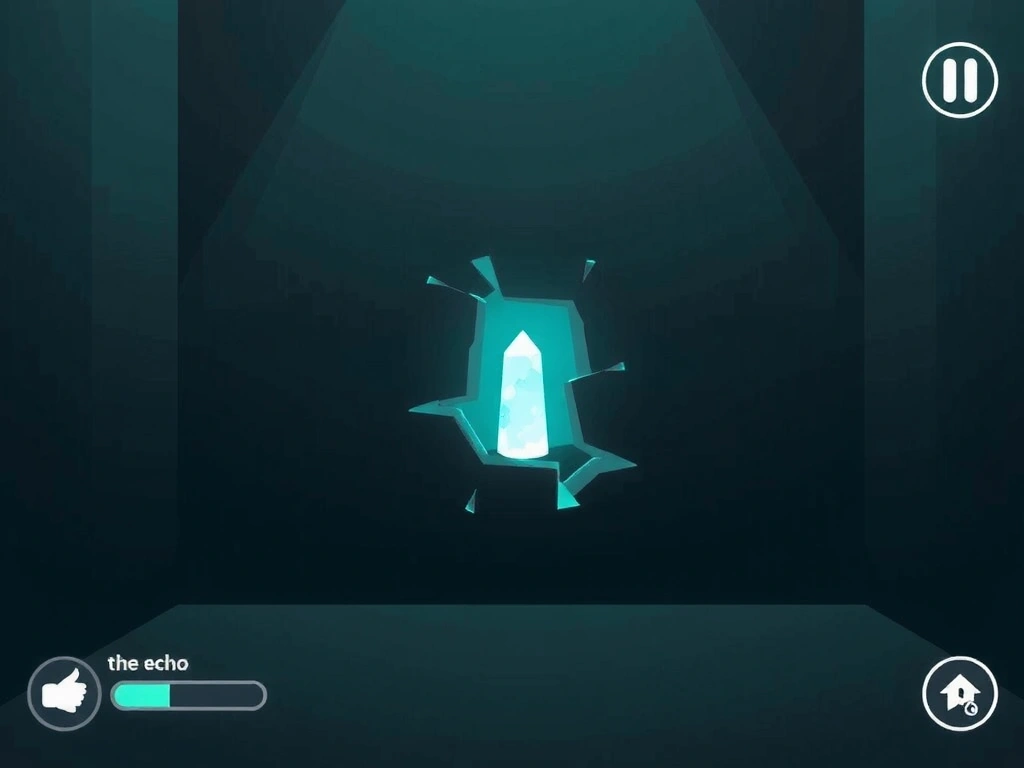
Lumina's Echo
A narrative-driven puzzle game where players manipulate environmental "echoes" to solve metaphysical riddles. The core mechanic—reversing temporal states of single objects—was prototyped over 60 iterations to find the sweet spot between depth and cognitive load.
The Constraint
"We needed a mechanic that felt magical but was physically consistent. The breakthrough was grounding the echo in a single, reversible variable—a light intensity metric—instead of complex timelines."
Is Leadivo the Right Fit?
A practical lens for evaluating our work against your priorities.
Optimizes For: Art-Tech Integration
Projects where visual style is a core mechanic, not an afterthought. Requires deep collaboration between artists and engineers from day one.
Optimizes For: Systemic Depth
Games built on rules, not scripts. Our process prioritizes prototyping the core loop and emergent interactions over storyboarding sequences.
Optimizes For: Mobile-First Performance
Every feature is weighed against its frame-time cost on mobile hardware. We maintain a 60 FPS target as a non-negotiable, which informs asset creation and shader complexity.
Scenario: The Feature Creep Dilemma
Client: Mobile App Product Owner (Gaming)
Problem: Post-launch, retention is stagnant. The team proposes adding a new social feature to pull users back.
Leadivo Lens: We analyzed the core loop's drop-off points. The issue wasn't a lack of features, but a lack of mastery in the existing systems.
Decision: Instead of building a new feature, we redesigned the onboarding and added a "daily challenge" system using existing mechanics.
Outcome: Day-7 retention improved by 18% with zero new assets, reallocating budget to polish and bug fixes.
Evidence of Craft
"Leadivo doesn't just deliver features; they deliver a playable hypothesis. Their disciplined prototyping phase saved us three months of dead-end development."
Publisher of Aethelgard's Legacy
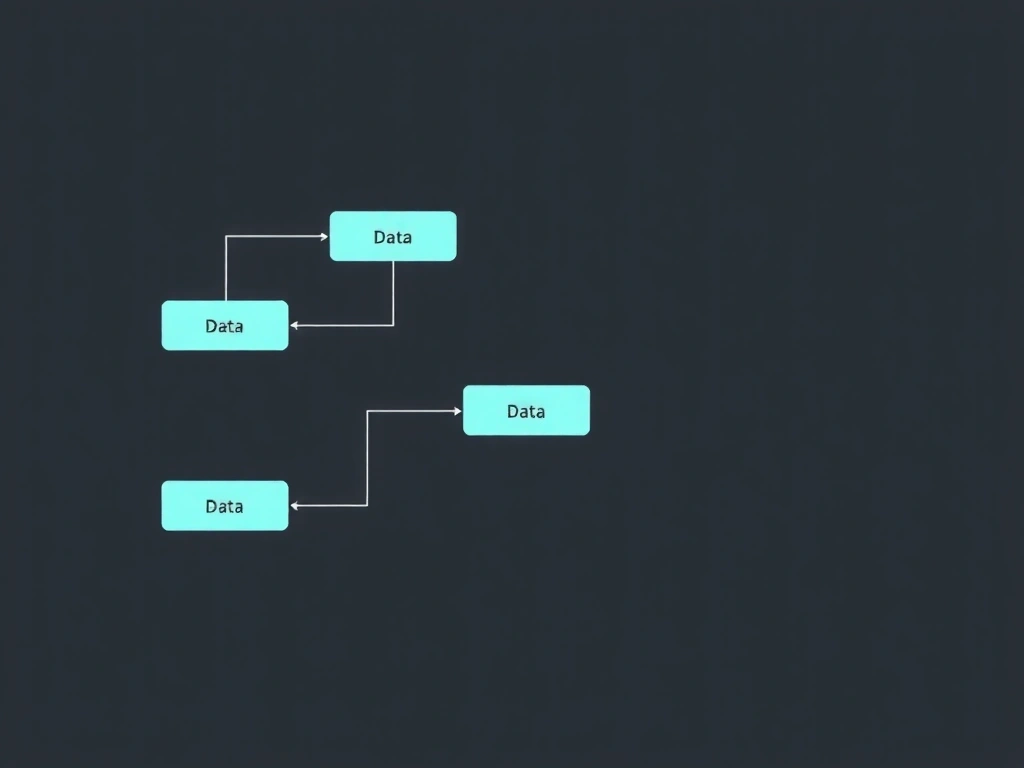
Optimization: Data Pipeline for Procedural Asset Streaming
Frame-time reduction achieved for Neon Drift by rewriting the particle system for mobile GPU's.
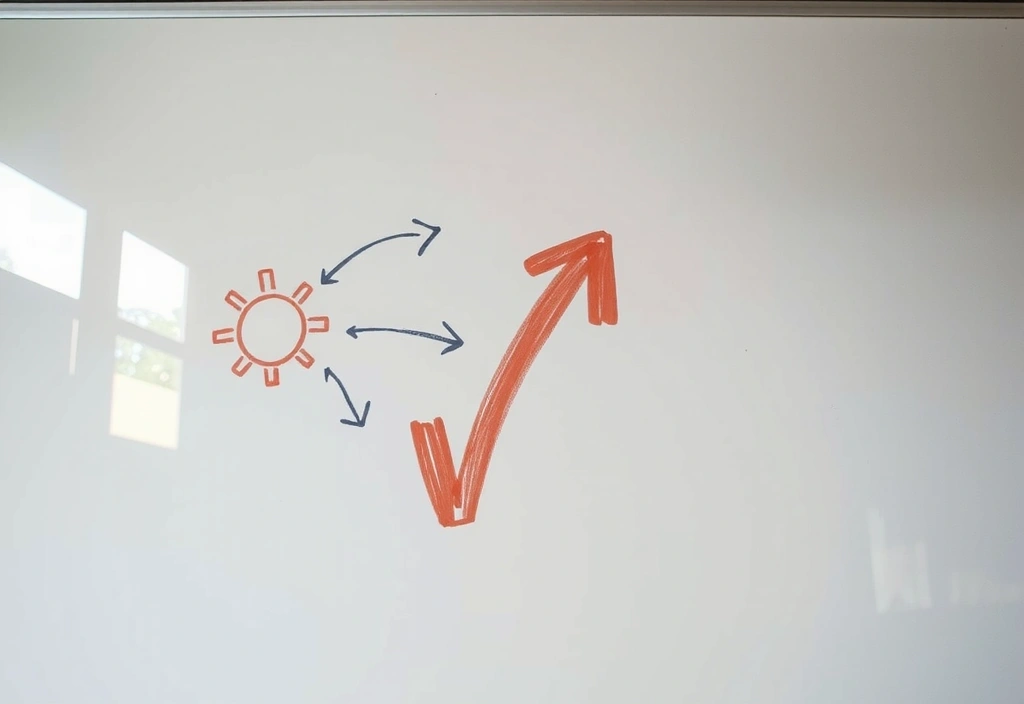
Early brainstorming for the "echo" mechanic.

Wireframe Topology

Final Asset (Unity)
Ready to Define Your Project?
Every project on this page started with a conversation about constraints, not a feature list. We can map your technical and creative challenges onto a playable prototype in 2–3 weeks.